YOUTH x AI Journal

The Danger of AI-Driven Bonds
Reflection on how AI “friendships” can create unhealthy dependence, isolating users from real relationships.
Written By: Samiah Siddiqua
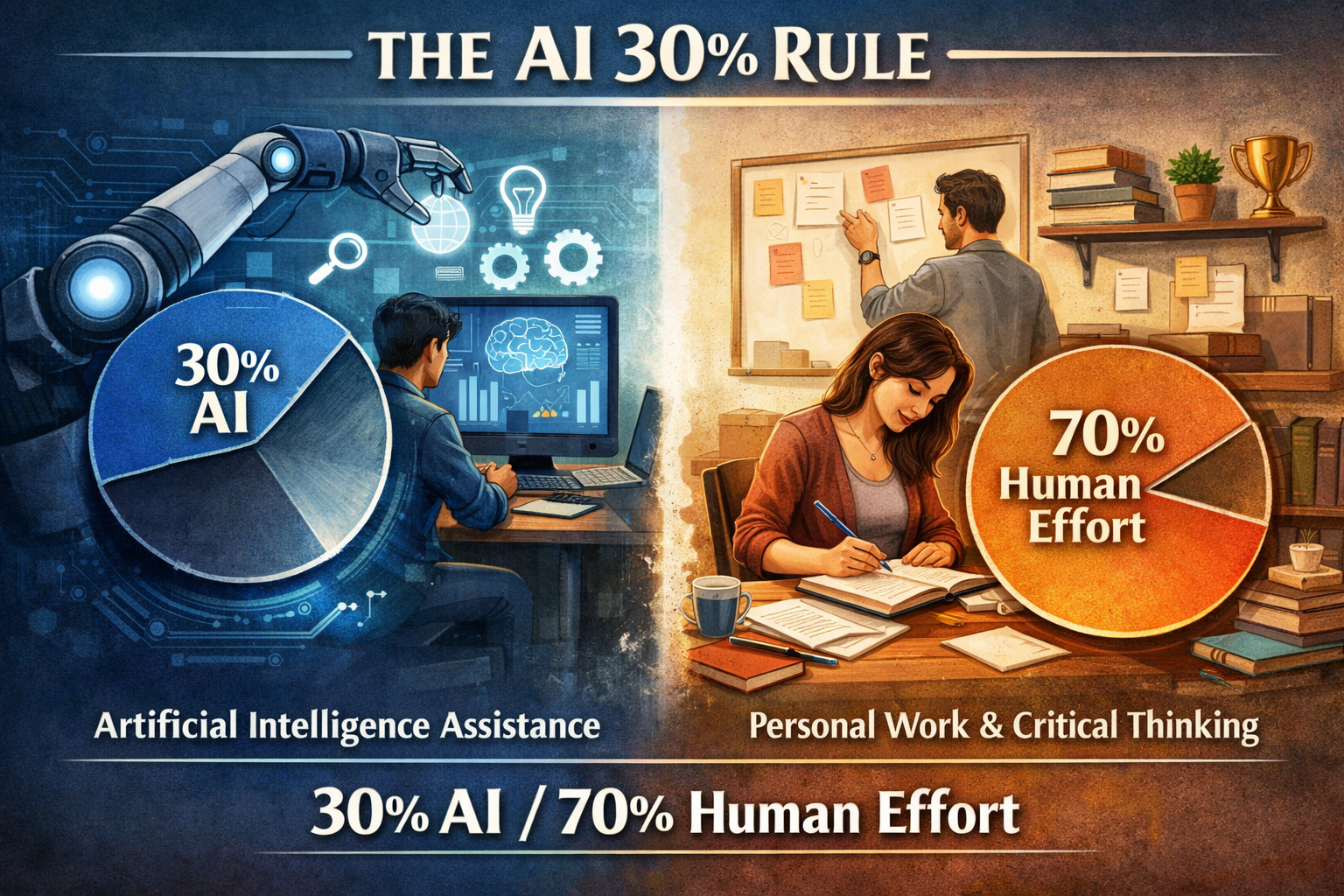
The 30% Rule for AI
The 30% Rule for AI promotes healthy independence by limiting AI to a supportive role while preserving human autonomy, critical thinking, and ethical responsibility.
Written By: Samiah Siddiqua
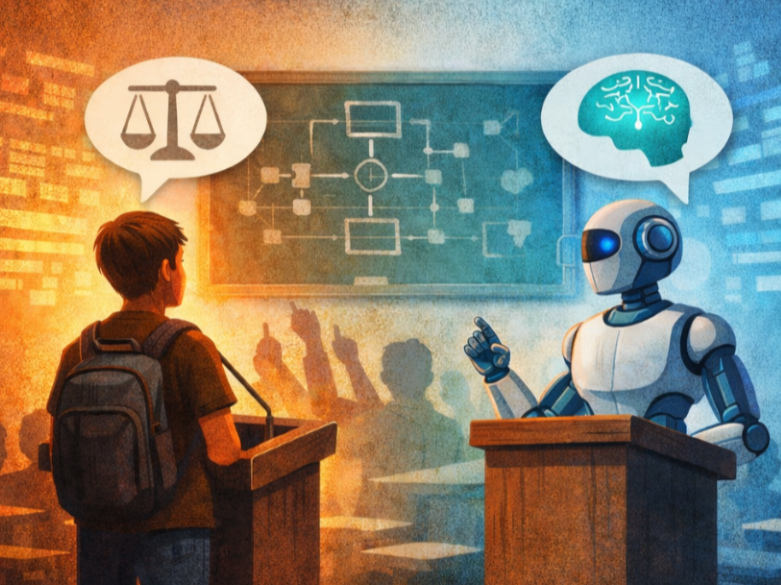
When the Algorithm Enters the Classroom: Rethinking AI Bias in Education
AI tools in education can help students, but because they learn from imperfect historical data, they must be used carefully and transparently to avoid reinforcing existing inequalities.
Written By: Devshree Mistry
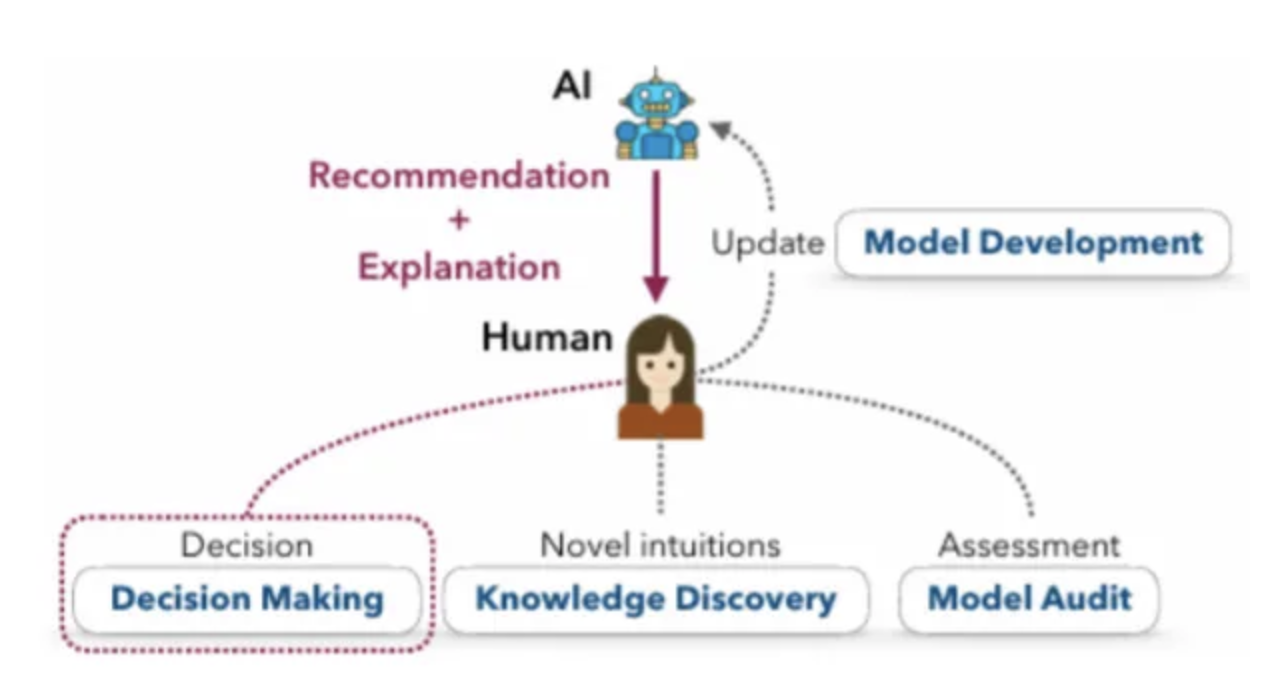
Explainable AI in Education: What We Need to Know
Explainable AI in education makes AI tools more transparent and understandable so teachers and students can trust, evaluate, and improve AI-driven tutoring, grading, and feedback while reducing bias, errors, and hidden reasoning.
Written By: Sarina Nemati

AI: Healing Minds, Shaping a Healthier Future
AI-powered app helps prevent medication errors and empowers users through personalized, compassionate health management.
Written By: Harshita

Practicing Patience Amidst 21st-Century Digitalization and AI.
In a world dominated by constant digital stimulation and AI, practicing “slow time” helps restore patience, creativity, and a healthier relationship with technology.
Written By: Joshua Hwang

How AI is Changing the Job Market: What Teens Need to Know
A modern office where humans and AI robots collaborate seamlessly, showcasing the future of work and technology.
Written By: Aveen Maan

The Era of AI Co-Scientists: When Machines Join the Research Lab
Artificial intelligence is transforming scientific research by acting as a co-scientist, accelerating discoveries in biology, physics, and materials science through advanced pattern recognition and autonomous experimentation.
Written By: Sohaan Singh

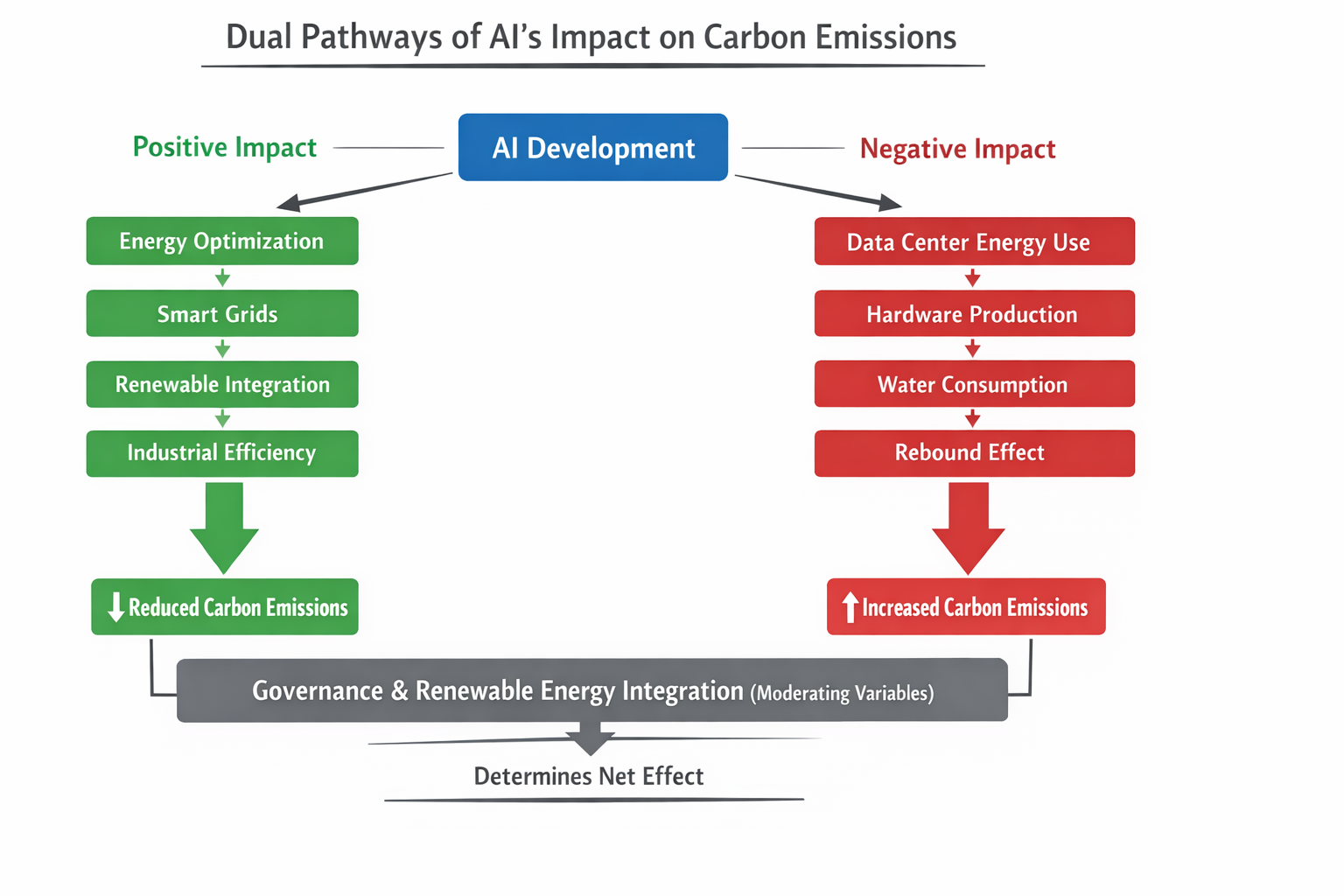
AI and carbon footprint: climate solution or emerging environmental
risk?
AI has strong potential to accelerate decarbonization by optimizing energy systems and reducing carbon intensity, but its overall climate impact depends on renewable energy integration, strict governance, and transparent lifecycle emissions management to prevent rising electricity demand and rebound effects from outweighing its benefits.
Written By: Sarina Nemati
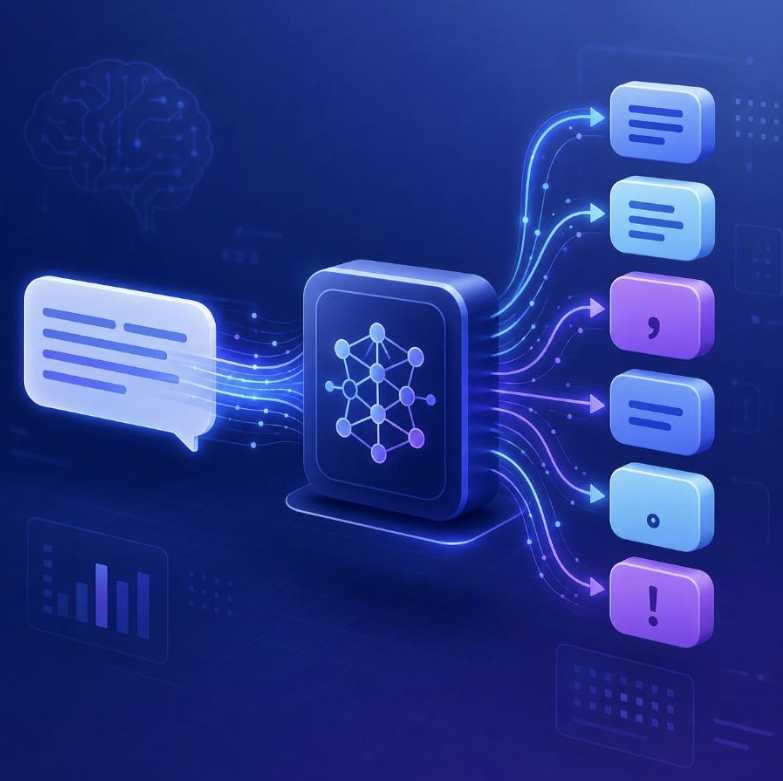
What is Tokenization? All you need to know
Tokenization is the foundational NLP process of breaking text into smaller units (such as words, characters, subwords, or bytes) so machines can process language, and the choice of tokenization method significantly affects a model’s accuracy, efficiency, ability to handle new words, and performance across different languages.
Written By: Sarina Nemati
AI in Climate Innovation: Intelligence at Planetary Scale
AI is emerging as a powerful tool in climate innovation, using large-scale data analysis to optimize energy systems, monitor environmental change, and accelerate sustainable solutions.
Written By: Aveen Maan
“It was an eye opening experience. It made me gain the confidence in my ability to do hard things. I was able to learn so many things about AI and how it works and how i can make the world better through my contribution to technology as a whole.”
- Manuella Jongwane